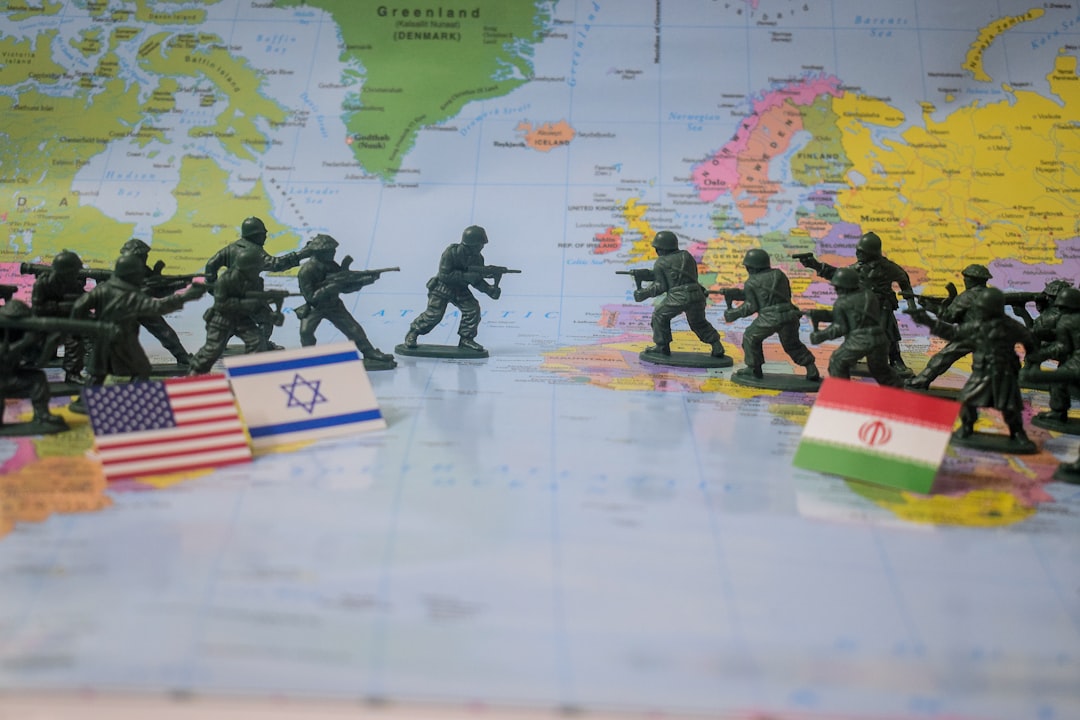
The fragile ceasefire between the United States and Iran is on the verge of collapse. A senior diplomat told me the deal is on “massive life support”. The reason: Tehran rejected a last-minute peace proposal brokered by Qatar.
I spoke to three officials familiar with the talks. All confirmed that Qatari mediators had shuttled between Doha and Washington for weeks. The final draft included a phased withdrawal of American troops from the Gulf, economic relief for Iran, and a freeze on uranium enrichment above 3.67 per cent.
Iran’s Supreme Leader said no. His office issued a statement calling the terms “humiliating”. The Revolutionary Guard went further. A commander told state TV that “any deal that does not dismantle the entire sanctions regime is a trap”.
That was Tuesday. By Wednesday, the US had placed two carrier groups on alert. Centcom confirmed the USS Dwight D. Eisenhower and USS Gerald R. Ford are now in the Arabian Sea. A defence official stressed this is “defensive” but the message is clear.
Meanwhile, Iran has restarted centrifuges at Natanz. The IAEA reported a spike in 60 per cent enrichment levels on Thursday. That is a short step from weapons-grade.
Inside the Biden administration, there is frustration. One state department official described the rejection as “a punch in the gut”. Another said they had “exhausted all diplomatic channels”.
The timing is terrible. This was supposed to be a breakthrough. Biden’s team had invested serious political capital. They needed a win before the midterms. Instead, they face a crisis.
European allies are alarmed. A British Foreign Office source called the situation “perilous”. France and Germany have urged restraint. But their leverage is limited.
Israel is watching closely. Prime Minister Netanyahu’s office welcomed Iran’s rejection. They have long argued against the deal. Now they are pushing for a harder line.
On the ground in Tehran, the mood is defiant. Bazaars are quiet, sanctions bite hard, but nationalist fervour is high. A shopkeeper told me: “America thinks we will beg. We will not.”
In Washington, the calculation is changing. Hawks say this proves Iran cannot be trusted. Doves argue the deal was too generous. Moderate voices are drowned out.
The question now is how close we are to conflict. Two defence analysts I spoke to gave different odds. One said 40 per cent chance of an incident within six months. The other said 60 per cent.
Neither sounded optimistic.
The ceasefire was never formal. It was a tacit understanding: no tit-for-tat attacks, no new nuclear advances, no direct threats. That understanding is now broken.
Iran’s foreign minister made a surprise visit to China on Friday. Beijing called for “dialogue”. But China is buying Iranian oil at deep discounts. Their interests are not aligned with Washington’s.
For now, the world holds its breath. Secretary of State Blinken said the US is “actively consulting allies”. But without a deal, the path leads only one way.
The last time the US and Iran were at this point, the outcome was the assassination of General Soleimani and a missile strike on an American base.
Neither side wants war. But both have painted themselves into corners. And the escape route is gone.