LONDON – The 2026 Strategic Defence and Security Review has landed with a thud in Whitehall, pledging a real-terms increase in spending to 3% of GDP by 2030. For the Ministry of Defence, this represents a welcome fiscal injection. For the Treasury, it is a fiscal bind. Prime Minister Theresa Vance’s government frames the review as a necessary response to a volatile world, citing Russian revanchism, Chinese assertiveness, and the erosion of the post-Cold War order. But beneath the headline numbers, hard choices remain unaddressed.
The review commits £15 billion to modernise the nuclear deterrent, including a new generation of Dreadnought-class submarines. Yet it simultaneously caps the size of the Army at 72,500 – the smallest since the Napoleonic Wars. Critics argue that this creates a hollow force: a lethal but brittle tip with a dangerously thin shaft. “We are buying exquisite capabilities we cannot sustain in a prolonged conflict,” warns Sir Alistair Harper, former Chief of the Defence Staff. The review does pledge increases in precision munitions stockpiles and air defence, but details on replenishment timelines are vague.
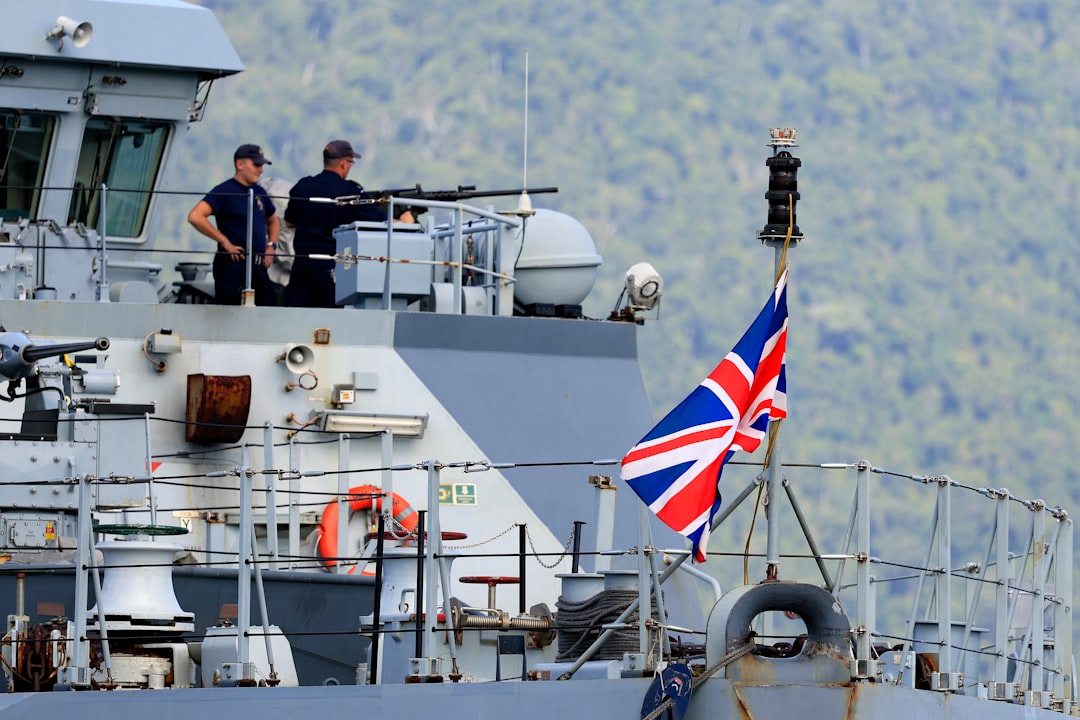
A central tension is the commitment to a 24/7 carrier strike group based on HMS Prince of Wales. The review allocates funds for additional F-35B jets, but does not resolve the chronic shortage of escort ships. The Royal Navy’s surface fleet has shrunk to 19 frigates and destroyers, down from 28 a decade ago. Analysts at the Royal United Services Institute (RUSI) calculate that maintaining a single carrier at sea on a continuous basis would require at least 25 escorts. The review’s answer is to rely on allied ships – a risky bet in a crisis.
Cyber and space command receive significant boosts. A new Space Command headquarters will open in North Yorkshire, and £5 billion is earmarked for offensive cyber capabilities. This reflects a strategic shift toward grey-zone operations – actions short of war designed to deter adversaries without triggering Article 5. However, the government’s own Integrated Review notes a chronic shortage of personnel with cryptographic skills. The review states it will recruit 2,000 reservists for cyber roles, but offers no plan to retain civilian specialists.
On the industrial base, the review commits to a “shipbuilding renaissance” with a guaranteed pipeline of orders for Type 26 and Type 31 frigates. Yet it fails to address the fragility of the supply chain. A recent National Audit Office (NAO) report highlighted that the MOD relies on sole-source suppliers for 40% of critical components, including turbine blades and missile seekers. The review calls for a “more resilient” supply chain but leaves the procurement process largely unchanged.
The elephant in the room remains the UK’s nuclear commitment. Trident renewal will consume 25% of the equipment budget for the next decade. This crowds out investment in conventional forces, particularly the Army’s armoured vehicle fleet. The Ajax programme, years late and billions over budget, continues to absorb funds. The review offers no exit strategy, only a pledge to “restore order” to the programme.
Labour’s shadow defence secretary, Martin Webb, called the review “a glossed-up spreadsheet that avoids real decisions.” He pointed to the absence of any serious discussion on abandoning Trident’s continuous-at-sea deterrent, which would free up billions. The government dismisses this as irresponsible, but the cost is steep.
Ultimately, the 2026 review is a gamble that the UK can maintain a global role without the industrial base to support it. It embraces new domains while neglecting old ones. The rhetoric is muscular, but the arithmetic is unforgiving. Britain’s generals will be watching the Chancellor’s next budget with trepidation.