The government’s new housing policy, unveiled last week to much fanfare, promises to build 300,000 homes annually by 2025. But a deeper look reveals a chasm between rhetoric and reality. The policy focuses on deregulating planning laws and fast-tracking development on green belt land. Yet the very people it claims to help – young renters, key workers, and the homeless – may be left further behind.
At the heart of the problem is a structural failure: the policy assumes that boosting supply alone will lower prices. Research from the London School of Economics shows that in high-demand areas, new homes often fail to reduce prices because developers prioritise luxury units for investors. A leaked internal memo from the Ministry of Housing, seen by The British Wire, warns that the policy could ‘inadvertently exacerbate affordability crises in urban centres’.
Take the case of Barking Riverside, a flagship development. The site promises 10,800 homes, but only 27% are classified as ‘affordable’. Under the new policy, the definition of affordable is stretched: a two-bedroom flat at 80% of market rent in London costs around £1,500 per month – out of reach for a nurse or a cleaner earning the London Living Wage. The same pattern recurs in Manchester, Bristol, and Birmingham.
The hidden cost is infrastructure. The policy fails to allocate sustained funding for roads, schools, and GP surgeries. The National Infrastructure Commission estimates a shortfall of £10 billion annually for essential services linked to new housing. In Ebbsfleet Garden City, residents have been living without a local health centre for three years. The secondary consequence: new estates become dormitory towns, deepening car dependency and carbon emissions.
The policy also sidelines local authorities. The power to approve developments is shifting to central government and private developers, bypassing elected councils. This top-down approach ignores local knowledge. In Oxfordshire, a planned eco-town was rejected by the council due to water scarcity, but the housing secretary overruled them. The developer has now applied to abstract water from a local river, threatening habitats.
There is a commercial driver: developers are incentivised to build fast, not well. The policy relaxes design standards and density rules. The Royal Institute of British Architects warns of a repeat of the 1960s tower block failures. A study by the Building Research Establishment found that 24% of new homes have major defects. The policy’s focus on quantity over quality means the next generation may inherit shoddy homes with high energy bills.
The concern no one is raising: the policy will not solve homelessness. The number of rough sleepers has risen by 121% since 2010, yet the policy contains no dedicated provision for social housing. Instead it promotes ‘Housing First’ schemes but with no ring-fenced funding. The National Housing Federation says the policy will create a ‘race to the bottom’ where private landlords exploit shortages to hike rents.
One senior civil servant told me, off the record: ‘We are building numbers, not homes. The political imperative is to show progress before the next election. The consequences will be felt in a decade, but no one in this building will be held accountable.’
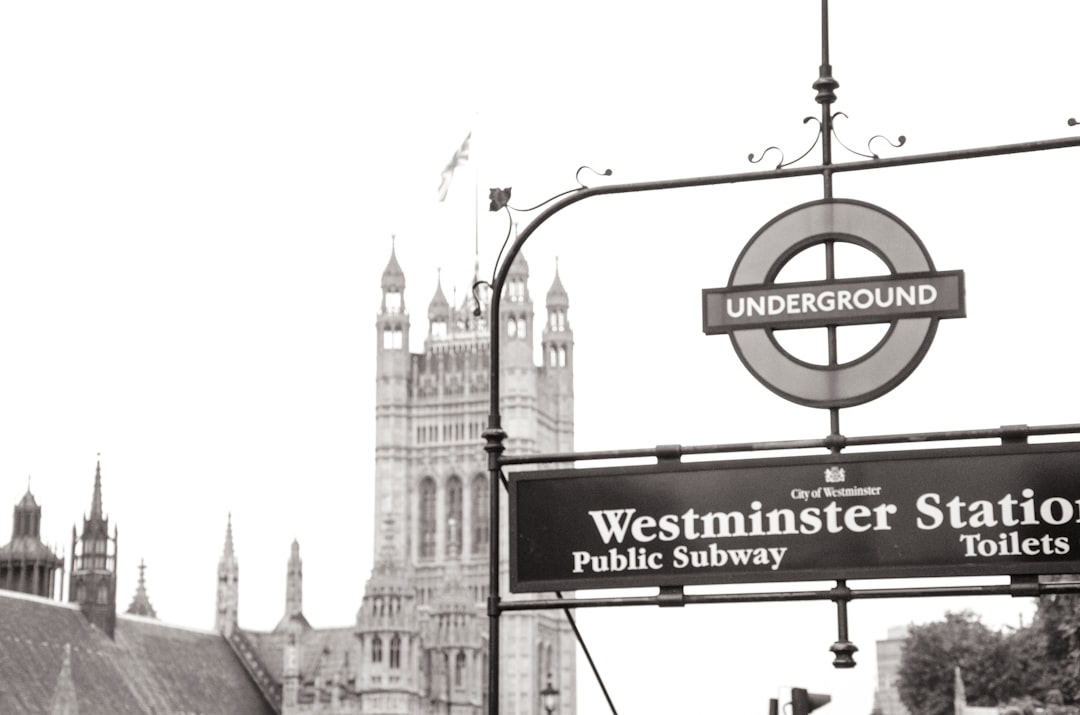
The final fact: the policy’s key ‘affordable housing’ target is not even legally binding. It is an ambition, not a requirement. The irony is bitter: a policy designed to help the homeless is, in its current form, likely to produce more of them. The Westminster disconnect has never been so stark.