When the news broke that the South China Sea impasse had hit a critical flashpoint, my first instinct was not to look at a map, but to pick up the phone to a friend in Manila. 'Are you alright?' I asked. 'We're fine,' she said, a little too quickly. 'But the fishermen haven't gone out for three days. The markets are empty of squid.'
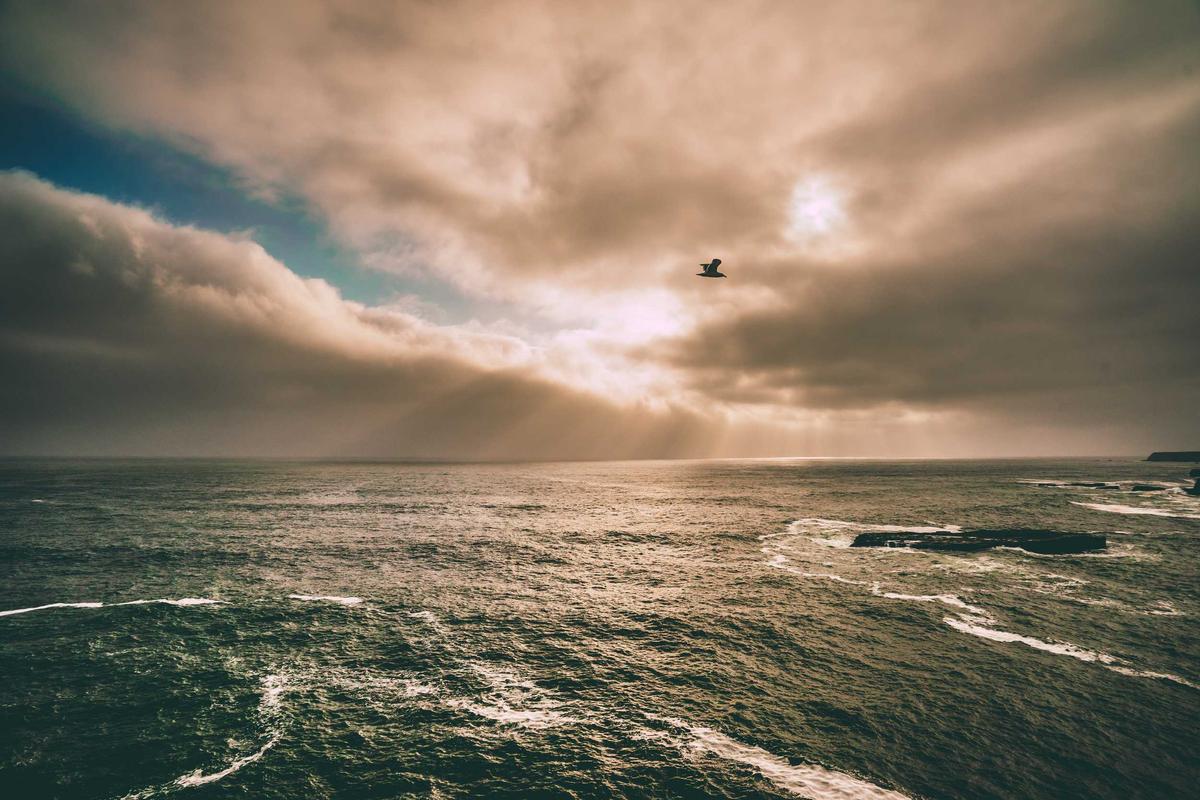
This is the human cost we so often overlook. The headlines scream of naval maneuvers and diplomatic spats, of 'freedom of navigation' and 'sovereignty'. But on the ground, in the coastal villages that line this disputed waterway, life has taken on a new, anxious rhythm. The fishermen, the real barometers of this crisis, stay ashore. Their boats, once a daily sight bobbing in the dawn light, now sit idle, tied to rickety jetties. The catch is smaller, the prices higher. The sea, which once provided, now feels like a threat.
I think of the women who mend the nets, their fingers never still. They tell me they can feel the tension in the air, a strange quiet that has settled over the water. The children, too, are affected. They play closer to home, their games less carefree. A local teacher confided that her students now draw warships instead of fish. The psychological toll is subtle but pervasive. It's a cultural shift we are only beginning to understand.
On the other side of the impasse, in the ports of Hainan, a similar story unfolds. A shopkeeper there, a man who sells rope and tackle, told me his best customers have disappeared. 'They are afraid,' he said, 'afraid of being caught in something they don't understand.' And perhaps that is the real tragedy. The men who work the sea are not politicians. They do not care for lines on a map. They care for the tide, the wind, the shimmer of scales in the net.
What happens when the sea becomes a barrier instead of a highway? When the boats stay docked not because of a storm, but because of a standoff? We are seeing the slow erosion of a way of life. The fishermen of the South China Sea are not just losing their livelihood. They are losing their identity. For generations, they have read the currents, known the hidden reefs, passed down stories of tempests and thick schools of tuna. Now, their knowledge is rendered useless by politics.
And yet, life goes on. The markets may be emptier, but they still hum with a muted energy. People still gather for meals, though the conversation is quieter. They still celebrate festivals, though with a watchful eye on the horizon. This resilience is both inspiring and heartbreaking. It reminds me that the greatest cost of any geopolitical impasse is not measured in ships or statements, but in the quiet, persistent ache of ordinary lives disrupted.
As the diplomats continue their circular talks, the human story unfolds in real time, one missed fishing trip at a time. The South China Sea impasse is not just a crisis of territory. It is a crisis of community, of culture, of the simple, profound connection between a man and the sea. And that, perhaps, is the most critical flashpoint of all.