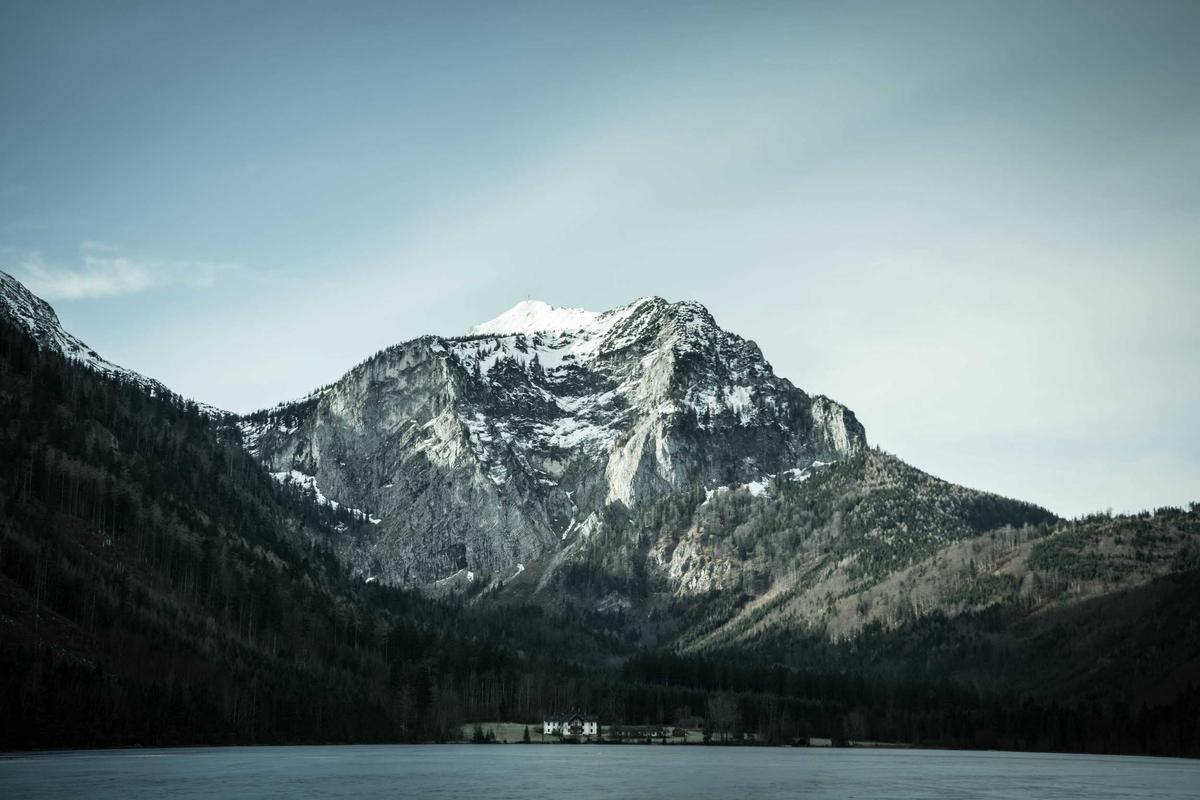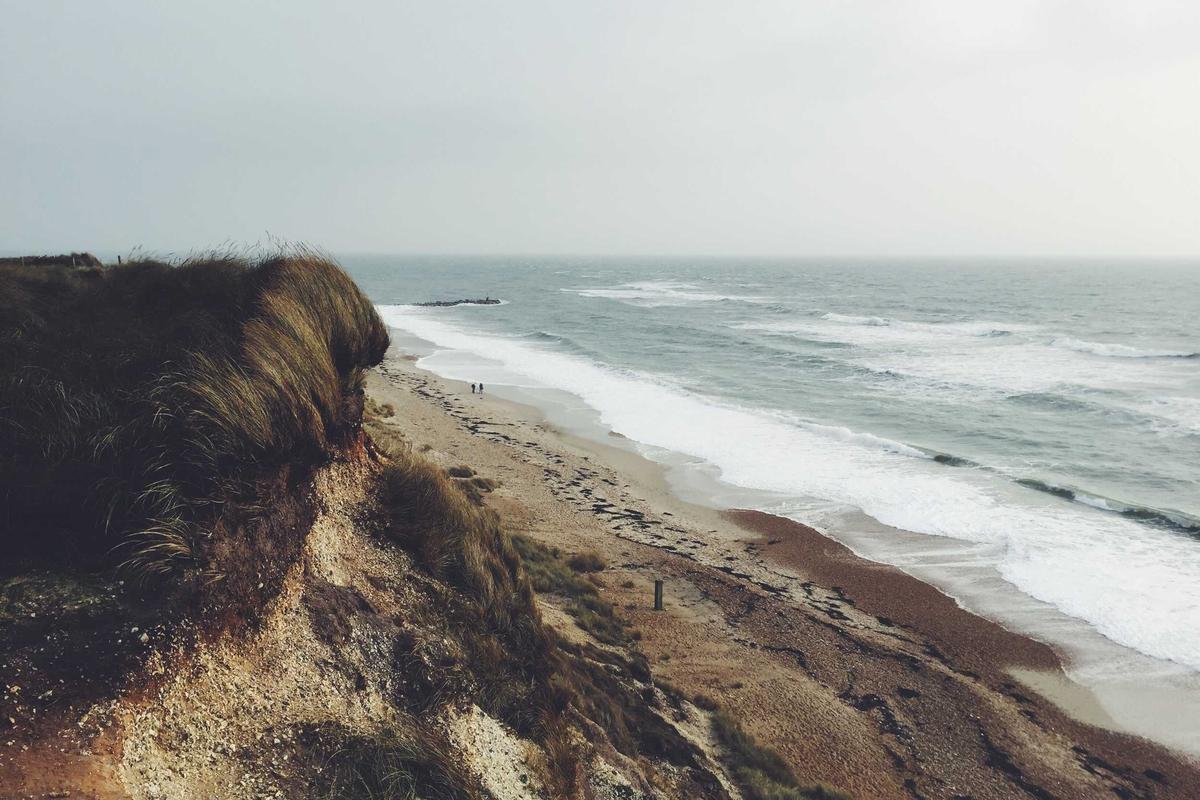
A bold plan to restore 50,000 hectares of the Scottish Highlands to their natural state by 2030 has been unveiled. The project, led by the charity Rewilding Britain, aims to reverse centuries of deforestation and biodiversity loss. It will cover an area larger than the Isle of Arran, stretching from the Cairngorms to the west coast.
Spearheaded by ecologist Dr. Fiona Mackenzie, the initiative will involve planting 100 million native trees, removing invasive species, and reintroducing keystone animals such as the Eurasian lynx. ‘This is not just about planting trees,’ Dr. Mackenzie told The British Wire. ‘It is about restoring entire ecosystems.’
More than 30 private estates and community landowners have already signed up. The project will create 1,000 jobs in rural areas, from tree planting to eco-tourism. Funding comes partly from the Scottish government’s £10 million Natural Capital Fund, with additional backing from the National Lottery and private investors including billionaire philanthropist Sir Charles Dunbar.
Critics argue that rewilding threatens traditional land uses like grouse shooting and sheep farming. The Scottish Gamekeepers Association warns that lynx could attack livestock and deer, causing conflict with farmers. ‘This is an ideological experiment,’ said director Alex MacLean. ‘We should not impose it on rural communities without their full consent.’
But local businesses in towns like Aviemore and Kingussie have welcomed the plan. Hotel owner Eileen McLeod expects a tourism boost: ‘People come from all over the world to see the Highlands. Rewilding makes it even more special.’
The project also aims to capture 500,000 tonnes of carbon dioxide annually, equivalent to taking 200,000 cars off the road. However, scientists caution that peatlands must be restored alongside forests to achieve this. A recent study from the University of Edinburgh found that tree planting on deep peat can actually harm carbon storage.
Dr. Mackenzie acknowledged the challenges: ‘We must proceed carefully, learning from past mistakes. That is why we have set up an independent scientific advisory board.’
If successful, the scheme could become a model for rewilding projects across the UK and Europe. The government has already pledged to increase tree cover in Scotland from 18% to 22% by 2032. But some campaigners argue that much more is needed. ‘A step in the right direction, but not enough,’ said Ruth Davis of Friends of the Earth. ‘We need a national nature restoration law with binding targets.’
Opposition from landowners remains a significant hurdle. One local estate owner, who spoke on condition of anonymity, said: ‘They talk about restoring nature, but they are destroying a way of life. My family has managed this land for 150 years.’
Yet supporters believe the economic and environmental benefits outweigh the costs. A report by the Scottish Wildlife Trust found that rewilding could boost the rural economy by £1.5 billion a year through ecotourism, carbon credits, and flood prevention.
As the first saplings are planted next spring, the eyes of the world will be on the Highlands. If the Great Rewilding succeeds, it could prove that nature and people can thrive together.