The Strait of Hormuz, a narrow waterway that funnels approximately one-fifth of the world's oil supply, has become the epicentre of a geopolitical crisis that threatens to upend global shipping and energy markets. As tensions between Iran and the United States escalate, the risk of a full-scale military confrontation looms, with the strait already witnessing a series of provocations and disruptions that have sent shockwaves through the maritime industry.
The crisis began in earnest after the Iranian Revolutionary Guard Corps boarded and seized the MV Helios, a Liberian-flagged tanker, on April 28, 2025, accusing the vessel of smuggling fuel to US-allied forces. This act followed a pattern of harassment and interdiction that has intensified since the collapse of the 2015 nuclear deal. In response, the US Navy’s Fifth Fleet has increased its presence, deploying additional destroyers and patrol aircraft to ensure freedom of navigation. However, these measures have not deterred Tehran, which views the strait as its most potent strategic lever.
Geopolitically, the Strait of Hormuz is a chokepoint of unparalleled significance. Connecting the Persian Gulf to the Gulf of Oman, it measures just 21 nautical miles wide at its narrowest point. Every day, roughly 20 million barrels of oil and petroleum products transit through these waters, alongside liquefied natural gas (LNG) and containerised goods bound for Asian and European markets. Iran has long threatened to close the strait in response to sanctions or military action, and recent statements from Iranian officials suggest that such a scenario is no longer hypothetical. Admiral Ali Fadavi, a senior IRGC commander, warned on May 2 that “if our security is threatened, we will not hesitate to disrupt the flow of energy through the strait.”
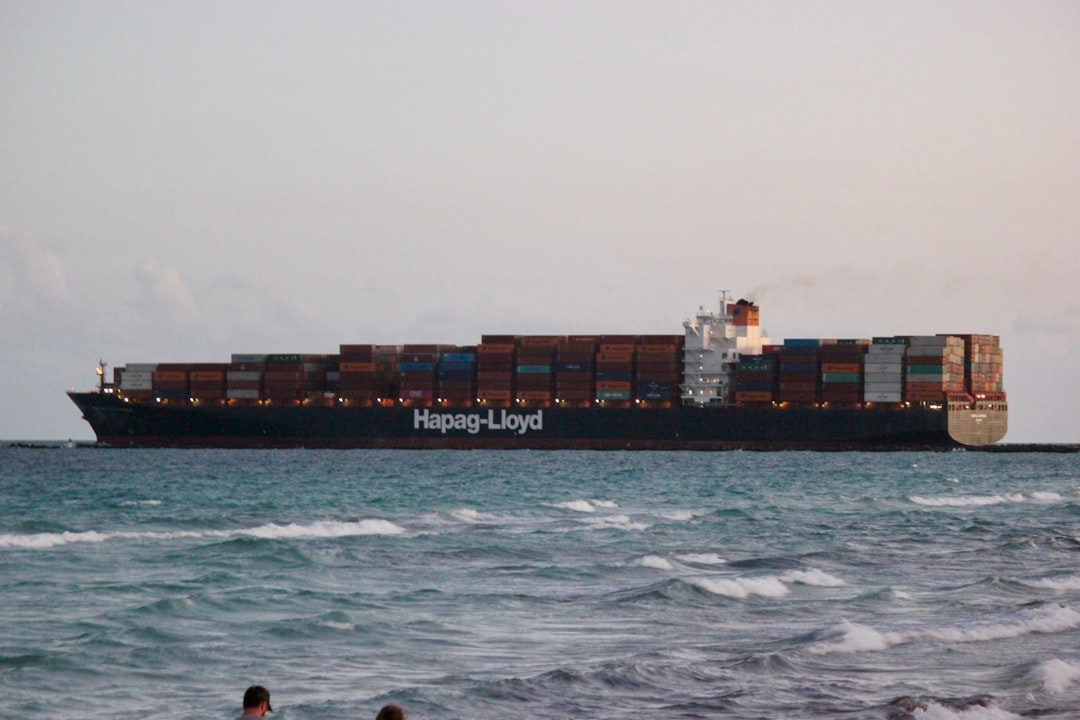
The market implications have been immediate and severe. Brent crude oil prices surged past $110 per barrel on May 3, a level not seen since the Ukraine conflict in 2022. Shipping insurance premiums for vessels transiting the region have quintupled, with war risk underwriters demanding additional fees for access to the Gulf. Major shipping lines, including Maersk and MSC, have begun rerouting vessels around the Cape of Good Hope, adding 10 to 14 days to transit times and increasing fuel costs by an estimated $1 million per voyage. This is already creating bottlenecks in supply chains, particularly for liquefied natural gas, where nearly 30% of global LNG exports originate from Qatar, Saudi Arabia, and the UAE.
Analysts at British maritime consultancy Drewry warn that a prolonged closure of the strait could trigger a global recession. Historical precedent is stark: during the Iran-Iraq War in the 1980s, attacks on shipping caused oil prices to triple. Today, the global economy is far more integrated and vulnerable. The International Energy Agency has indicated that strategic petroleum reserves, while robust, could only cover a full Hormuz outage for 90 days. Japan, South Korea, and India, which rely on the strait for 70–80% of their oil imports, are particularly exposed. These nations have already asked the US for naval escorts, but the US Navy faces the challenge of patrolling a vast area against asymmetric threats, including mine laying, anti-ship missiles, and swarms of fast attack boats.
Diplomatic efforts to de-escalate have so far failed. The European Union’s foreign policy chief, Kaja Kallas, proposed a maritime security mission on May 4, but Iran dismissed it as “a Western ploy.” Meanwhile, Russia and China have called for restraint, though both stand to benefit from higher oil prices and potential disruption to Western economies. The broader geopolitical landscape is further complicated by the US’s ongoing commitment to Israel’s security and Iran’s nuclear ambitions, which remain unresolved.
For shipping companies, the immediate priority is crew safety and vessel protection. Several firms have instructed ships to turn off their Automatic Identification Systems (AIS) to avoid detection, a practice that increases collision risks but reduces vulnerability to hostile actions. The International Maritime Organization has convened an emergency meeting for May 10, but its ability to impose sanctions or establish safe corridors is limited by the consensus-based nature of the UN body.
In sum, the Strait of Hormuz impasse represents a perfect storm: historical antagonism, strategic leverage, and a fragile global economy. Without a credible diplomatic breakthrough, the world must brace for sustained disruption, higher energy costs, and the grim possibility of armed conflict in the Gulf. As one senior British government official noted privately, “We are closer to a war in the Middle East than at any point in the last decade.”