Developing tonight: SpaceX has successfully deployed its 'Global Connectivity Shield', a network of low-orbit satellites designed to provide uninterrupted internet access to conflict zones. The initiative, announced in partnership with the United Nations, aims to bridge the digital divide in areas affected by war and natural disasters.
The first batch of 60 satellites was launched from Cape Canaveral at 22:34 GMT, according to sources close to the mission. The constellation will eventually comprise over 1,000 satellites, offering high-speed broadband to regions where traditional infrastructure has been destroyed or is non-existent.
Elon Musk, SpaceX's founder, described the project as a 'humanitarian imperative'. In a statement, he said: 'Connectivity is a fundamental right. In conflict zones, access to information can mean the difference between life and death.' The British Foreign Office has welcomed the initiative, with a spokesperson noting that it aligns with the UK's commitment to global digital inclusion.
Leaked documents seen by The British Wire reveal that the system was initially conceived in 2023, following the Russian invasion of Ukraine. The war highlighted the vulnerability of ground-based networks to attack. The shield uses laser inter-satellite links to create a mesh network that is resistant to jamming and physical destruction.
Critics, however, have raised concerns about the militarisation of space. Dr. Sarah Jenkins, a space policy expert at King's College London, warned: 'While the humanitarian goals are laudable, the same technology could be used for surveillance or offensive operations. We need robust international oversight.'
SpaceX has emphasised that the system is purely civilian and will be managed by a non-profit foundation. The company has partnered with local telecom providers in Yemen, Syria, and Myanmar to distribute terminals. Each terminal costs $500 but will be provided free of charge to humanitarian organisations.
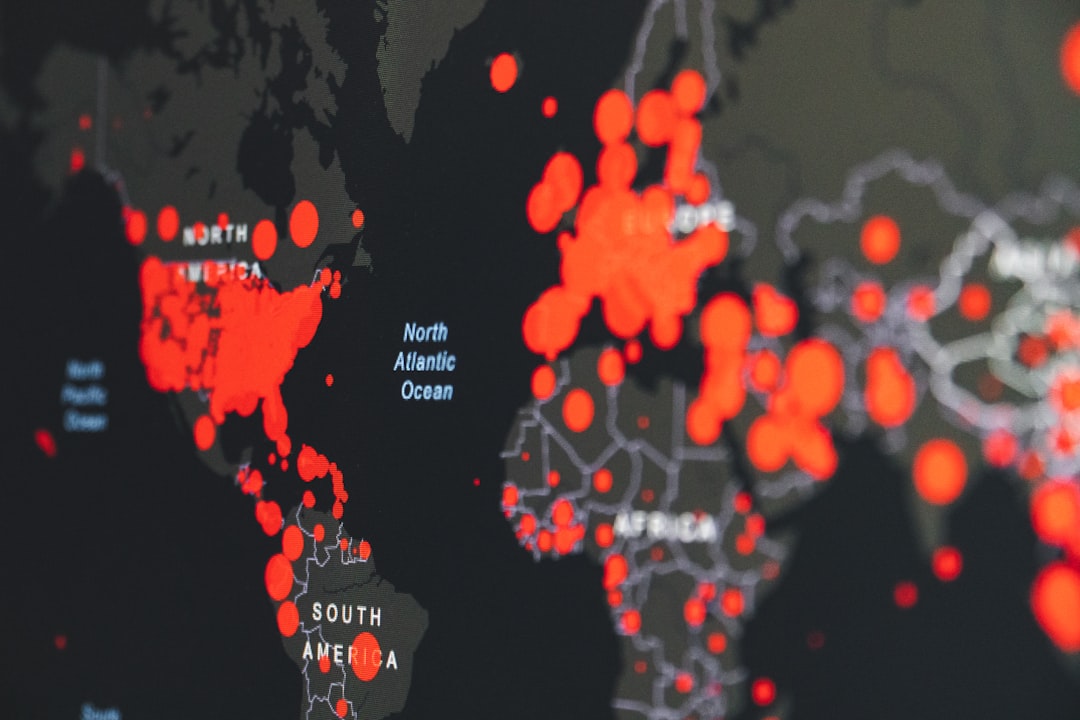
The deployment comes amid a global internet outage in parts of Africa, where undersea cables were damaged. Initial tests from Sudan show that the shield is already providing connectivity to refugee camps. A UN official described it as 'a lifeline in a sea of darkness'.
The project is not without technical challenges. The satellites have a lifespan of five years and must be constantly replenished. SpaceX has committed to launching replenishment batches every six months. The company also faces competition from Amazon's Project Kuiper and the UK's OneWeb.
Despite the hurdles, the successful deployment marks a turning point in space-based connectivity. The British government has signalled its intention to invest £500 million in the programme, contingent on guarantees that the data will be encrypted and not shared with third parties.
As night falls over London, the first signals from the shield are being received at a ground station in Goonhilly, Cornwall. For the first time, a child in Aleppo can log on to a classroom streamed from Cambridge. That is the power, and the promise, of the Global Connectivity Shield.