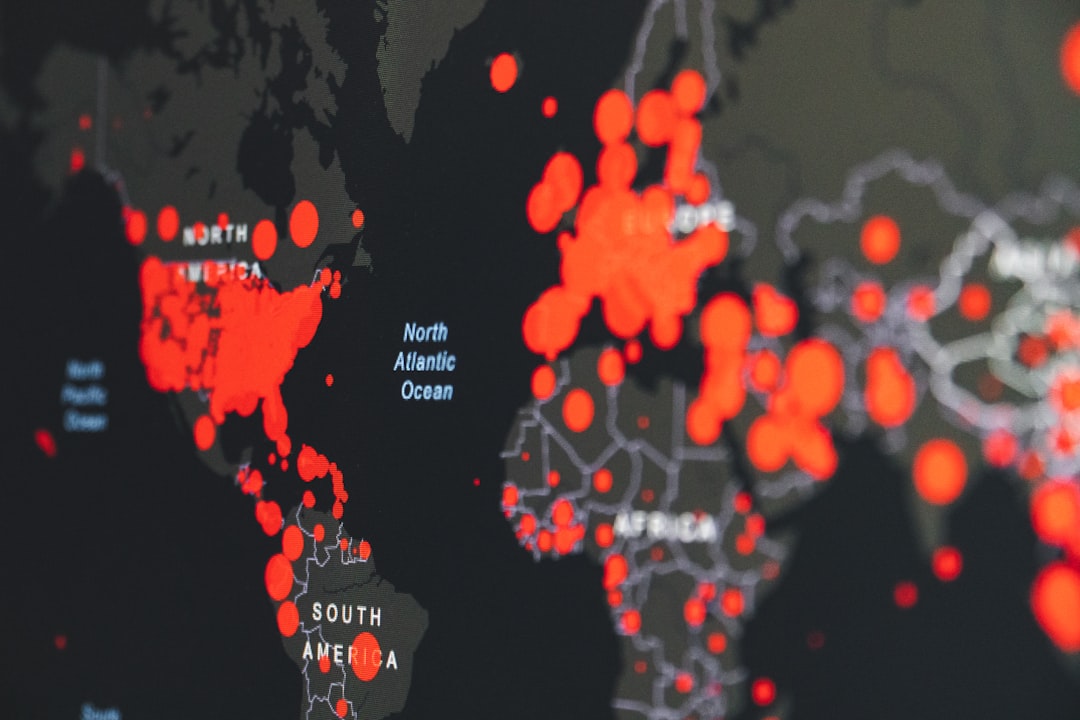
A cascading power outage struck a critical data centre hub in Silicon Valley late Tuesday, plunging part of the region into darkness and disrupting operations for major technology firms. The event, which local officials described as unprecedented in scale, raised urgent questions about the resilience of the electrical infrastructure that underpins the digital economy.
According to Pacific Gas & Electric, the failure originated at a substation serving the Santa Clara–Sunnyvale corridor, an area dense with data centres hosting cloud services for companies including Google, Apple, and Meta. The utility reported a simultaneous fault on two high-voltage transmission lines, triggering a protective shutdown that cut power to approximately 1,200 customers, many of them industrial-scale data facilities.
The outage lasted four hours and 23 minutes, according to PG&E’s incident log. Backup generators at most data centres engaged as designed, but several firms reported brief service interruptions as systems switched over. One cloud provider acknowledged a “limited number of customer instances” were affected before redundancy protocols took effect. The full extent of data loss or corruption remains unclear.
This incident is the latest in a series of stress tests on California’s power grid, already strained by ageing infrastructure, wildfire prevention shut-offs, and surging demand from electric vehicles and data processing. The Silicon Valley Power authority, which operates its own municipal grid in Santa Clara, said it was investigating whether a cyberattack played a role, though early assessments indicate a physical equipment failure.
“What we saw last night was not a typical brownout or rolling blackout,” said Dr. Eleanor Frost, a grid reliability expert at Stanford University. “It was a simultaneous failure of two independent lines, which suggests a systemic vulnerability. Data centres are designed to withstand a single point of failure, not a dual one.”
The economic impact is still being tallied. The region’s data centres are estimated to consume up to 20% of local electricity, and downtime costs for major tech companies can exceed $1 million per hour. Beyond immediate losses, the incident has prompted calls for regulatory review. California’s Public Utilities Commission announced an inquiry into grid resilience for critical digital infrastructure.
For the tech companies affected, the blackout underscores a broader vulnerability. Many have invested heavily in on-site backup power, but the failure exposed limits to that model when the grid itself falters. “We have battery banks and diesel generators,” said a source at a affected firm who requested anonymity. “But if the substation goes down, and the backup fuel runs out, you are in trouble.”
Local emergency services reported no injuries or structural damage. PG&E restored power by rerouting supply through alternative substations, but warned that similar events could recur if transmission upgrades are not accelerated. The company faces a backlog of maintenance projects worth billions of dollars.
As dawn broke over Silicon Valley, the data centres hummed back to life. But the blackout has left a lingering unease among planners and policymakers. In an economy that runs on data, the weakest link may no longer be software but the physical grid that powers it.