Oil prices soared to their highest levels since 2026 on Wednesday, breaching the $110 per barrel mark as diplomatic efforts to de-escalate tensions in the Middle East appeared to stall. Brent crude, the global benchmark, jumped 4.2% to $112.73 per barrel, while West Texas Intermediate rose 4.5% to $109.14. The rally, which began late last week, accelerated after reports that ceasefire negotiations between Israel and Hamas had collapsed, with both sides accusing the other of violating terms.
‘The market is pricing in a significant risk premium,’ said Dr. Helena Richter, an energy analyst at the Oxford Institute for Energy Studies. ‘Every failed round of talks pushes the possibility of a wider conflict closer, which threatens oil infrastructure in the region.’
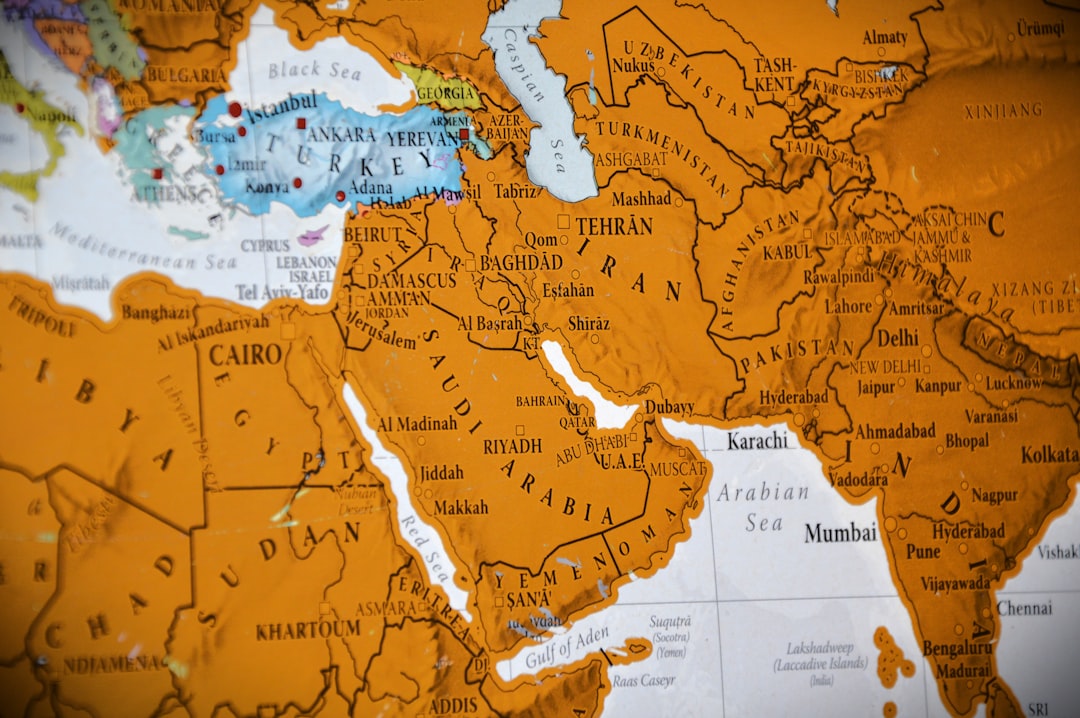
Iran’s involvement remains a key concern. Tehran has repeatedly warned that it would close the Strait of Hormuz if attacked, through which about 20% of the world’s oil passes. On Tuesday, the UK Foreign Office urged all British tankers to avoid the waterway. ‘A closure would be catastrophic,’ said Admiral Sir James Thornton, a former Royal Navy commander. ‘We haven't seen this level of risk since the 1980s.’
OPEC+ producers have struggled to calm markets. Despite calls for a production increase, Saudi Arabia has shown reluctance, wary of losing market share and mindful of spare capacity constraints. ‘The Saudis are walking a tightrope,’ noted Amal Al-Sayed, a Gulf energy specialist at Chatham House. ‘They want higher prices, but not at the risk of crushing demand or provoking a global recession.’
The rally has rippled through global economies. In the UK, petrol prices hit a record 168p per litre, prompting protests from hauliers and farmers. The Bank of England warned that inflation could reach 9% if oil stays above $100. ‘This is a tax on the most vulnerable,’ said shadow chancellor Rachel Reeves. ‘The government must act now.’
Analysts are divided on the outlook. Some expect prices to ease if diplomatic channels reopen. But others warn that without a tangible breakthrough, oil could test $120. ‘Geopolitics is unpredictable,’ said Richter. ‘But one thing is clear: the risk of a supply shock is higher than it has been in years.’
The United States has proposed a new round of talks, but early signs are not promising. ‘It takes two to tango,’ a senior State Department official said on condition of anonymity. ‘Right now, both sides are digging in.’
As the sun sets over the Gulf, the world watches and waits. The oil market, a barometer for global stability, is flashing red.