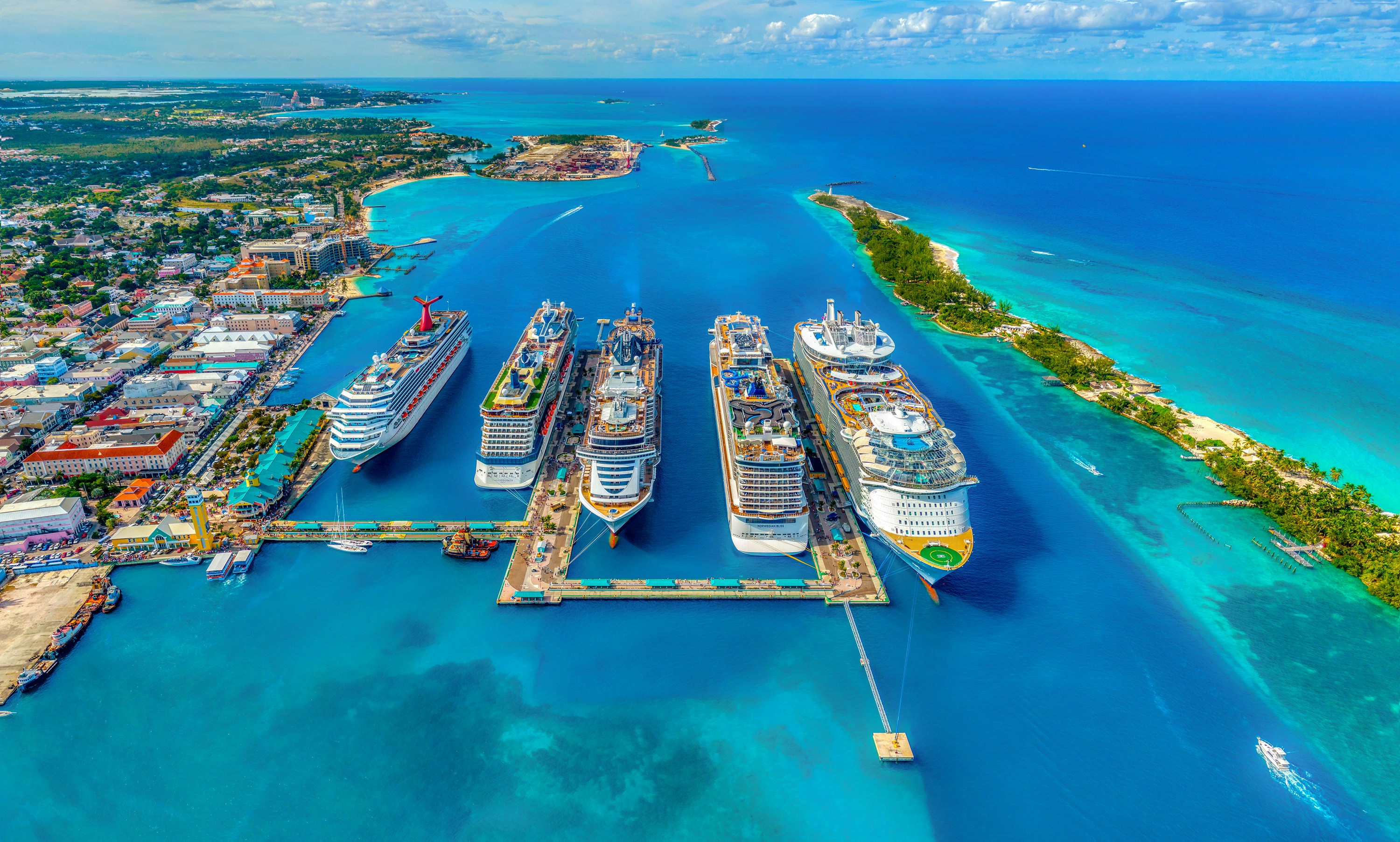
A global health emergency has been declared following a deadly outbreak of hantavirus on an international cruise ship, prompting urgent investigations by multiple countries and international health organizations. The outbreak, which has already claimed several lives and infected dozens of passengers and crew members, has raised alarming questions about the safety of maritime travel and the ability to contain zoonotic diseases in confined environments.
The cruise ship, identified as the *Aurora Voyager*, departed from Buenos Aires, Argentina, on a 30-day voyage to Antarctica and back. The first cases were reported four days into the journey, with passengers presenting flu-like symptoms that rapidly escalated to severe respiratory distress. Within a week, the ship's medical facility was overwhelmed, and the vessel was forced to divert to the port of Montevideo, Uruguay, where it remains quarantined.
Hantavirus, typically transmitted through contact with rodent excrement, urine, or saliva, causes Hantavirus Pulmonary Syndrome (HPS), a rare but often fatal disease with a mortality rate of up to 38%. The strain identified in this outbreak is the Andes virus, known to be endemic in South America. However, the mechanism of transmission on the ship remains unclear. Initial investigations suggest that rodents may have boarded the ship during port stops, but person-to-person transmission, which is rare but possible for the Andes virus, cannot be ruled out.
"This is an unprecedented event," said Dr. Mariana Costa, an epidemiologist with the Pan American Health Organization (PAHO). "Cruise ships are closed environments with high passenger turnover, making them potential hotbeds for infectious diseases. The rapid spread of hantavirus in this setting is deeply concerning and requires a coordinated international response."
As of the latest reports, 56 individuals have been confirmed infected, with seven deaths. The deceased include passengers from the United States, the United Kingdom, and Brazil. The ship carries 2,200 passengers and 800 crew members, all of whom are now under strict quarantine. Uruguayan authorities, with support from the World Health Organization (WHO), have set up a field hospital on the dock to treat the sick and isolate asymptomatic individuals for observation.
The outbreak has triggered travel advisories from multiple governments, urging citizens to avoid cruise travel to South America. The cruise industry, already reeling from the COVID-19 pandemic, faces new scrutiny. "This is a stark reminder that we must remain vigilant against all infectious disease threats, not just those we've become accustomed to," said Dr. Tedros Adhanom Ghebreyesus, WHO Director-General.
Efforts are underway to trace the source of the outbreak. Environmental samples from the ship have tested positive for hantavirus, and rodent control measures have been intensified. Genetic sequencing of the virus has matched strains found in rural Argentina, suggesting that the contamination may have occurred during a stop in the Patagonia region.
The situation on the *Aurora Voyager* has also raised legal and ethical questions. Some passengers have criticized the cruise line for not alerting them sooner, and several lawsuits have already been filed. The cruise line, Royal Maritime Cruises, has expressed remorse but maintains that it followed all recommended protocols. "We are cooperating fully with health authorities and have implemented enhanced sanitation measures," said a company spokesperson.
This incident is not the first time a cruise ship has faced a deadly outbreak. The 2014 norovirus outbreak on the *Nieuw Amsterdam* and the 2020 COVID-19 outbreaks on the *Diamond Princess* and *Grand Princess* highlighted the vulnerabilities of cruise travel. However, the hantavirus outbreak presents unique challenges due to its high mortality and the potential for environmental contamination.
Looking ahead, the WHO has called for an emergency meeting to develop new guidelines for preventing zoonotic disease outbreaks on cruise ships. Meanwhile, the *Aurora Voyager* remains anchored offshore, its passengers and crew living in a state of uncertainty. The world watches as health officials race to contain the outbreak and prevent it from spreading to mainland populations.
As of this writing, the quarantine is expected to last at least 14 days, with no new cases reported in the past 48 hours. The situation remains fluid, and further developments are anticipated in the coming days.