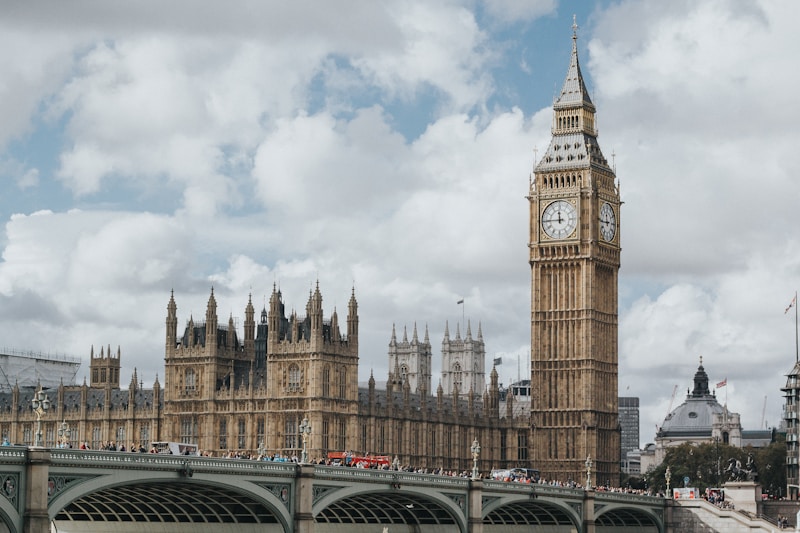
The British Broadcasting Corporation, a pillar of public service broadcasting for nearly a century, faces an existential crossroads. A government-commissioned review into the BBC’s funding model is underway, with the aim of charting a path toward financial sustainability in the digital age. The licence fee, currently set at £159 per household, has been frozen until 2024, and the government has hinted at potential decriminalisation of non-payment. This review, led by an independent panel, is expected to recommend alternatives such as a hybrid subscription model, a household levy, or partial privatisation.
Dr. Emily Thornberry, a media economist at the London School of Economics, cautioned against hasty reform. “The licence fee is a blunt instrument, but it has guaranteed the BBC’s independence for decades. Replace it with a subscription model, and you risk fragmenting audiences and undermining the universal service.” She pointed to Netflix and Amazon Prime, where market fragmentation has led to increased costs for consumers and a narrowing of content diversity. Yet others argue that the current system is untenable. A 2020 report from the House of Lords Communications Committee noted that younger audiences are increasingly avoiding the BBC, with only 39% of 16-to-34-year-olds tuning in weekly. “The BBC cannot rely on coercion,” said James Purnell, former BBC director of strategy. “It must win the battle for attention in a crowded digital marketplace.”
The review’s terms of reference include examining the feasibility of a “broadcasting levy” on all households, regardless of whether they watch live television. This would reflect the BBC’s broader digital footprint, including its iPlayer and BBC Sounds platforms. However, such a levy would require primary legislation and faces political hurdles. The Culture Secretary, Lucy Frazer, has stated that the government is “open-minded about the future funding model,” but has also stressed the need for the BBC to reduce costs and “live within its means.” The corporation has already cut 1,000 jobs and announced plans to move more content online.
One of the most contentious proposals is the decriminalisation of licence fee non-payment, which currently results in fines or prosecution. The government estimates it spends £100 million annually enforcing the fee, with many calling the criminal sanctions disproportionate. “The threat of prosecution feels increasingly anachronistic in an age where people expect to pay for content on their terms,” said Angela McLean, a media lawyer at Linklaters. The BBC, however, argues that decriminalisation would lead to widespread evasion, costing up to £1 billion annually and forcing severe cuts to programming.
Experts are divided on the way forward. Professor Martin Hirst of De Montfort University believes a hybrid model is inevitable. “The BBC will likely retain a core funding mechanism, such as a reduced licence fee or a digital tax on streaming services, while offering opt-in services like BBC Select for documentaries. This balances universality with the flexibility of the market.” In contrast, Sir Peter Bazalgette, former chair of the ITV, advocates for a radical overhaul: “The BBC should be funded through a mandatory broadband levy, collected by internet service providers. That would future-proof it for a generation.”
The review also touches on the BBC’s commercial arm, BBC Studios, which generated £1.4 billion in revenue last year. Some argue that expanding commercial activities, such as international licensing and co-productions, could reduce reliance on public funding. But critics warn that commercialisation risks blurring the BBC’s public service remit.
The British public remains supportive of the BBC, with polls showing that 70% believe it provides value for money. However, trust in its impartiality has declined among younger demographics. The review, due to report by the end of 2023, will undoubtedly shape the future of British broadcasting. As the panel deliberates, one thing is clear: the status quo is no longer an option. The search for a sustainable digital model is not just a financial exercise, but a defining moment for public service media in the 21st century.