The windswept town of Ushuaia, Argentina, billed as the southernmost city on Earth, finds itself at the centre of a medical mystery. Three tourists have died from a severe respiratory illness, and while Argentinian health officials deny a link to hantavirus, the whispers are enough to chill even the most intrepid traveller. This is more than a public health question: it is a study in the psychology of travel risk, the economics of tourism, and the strange human desire to stand at the very edge of the map.
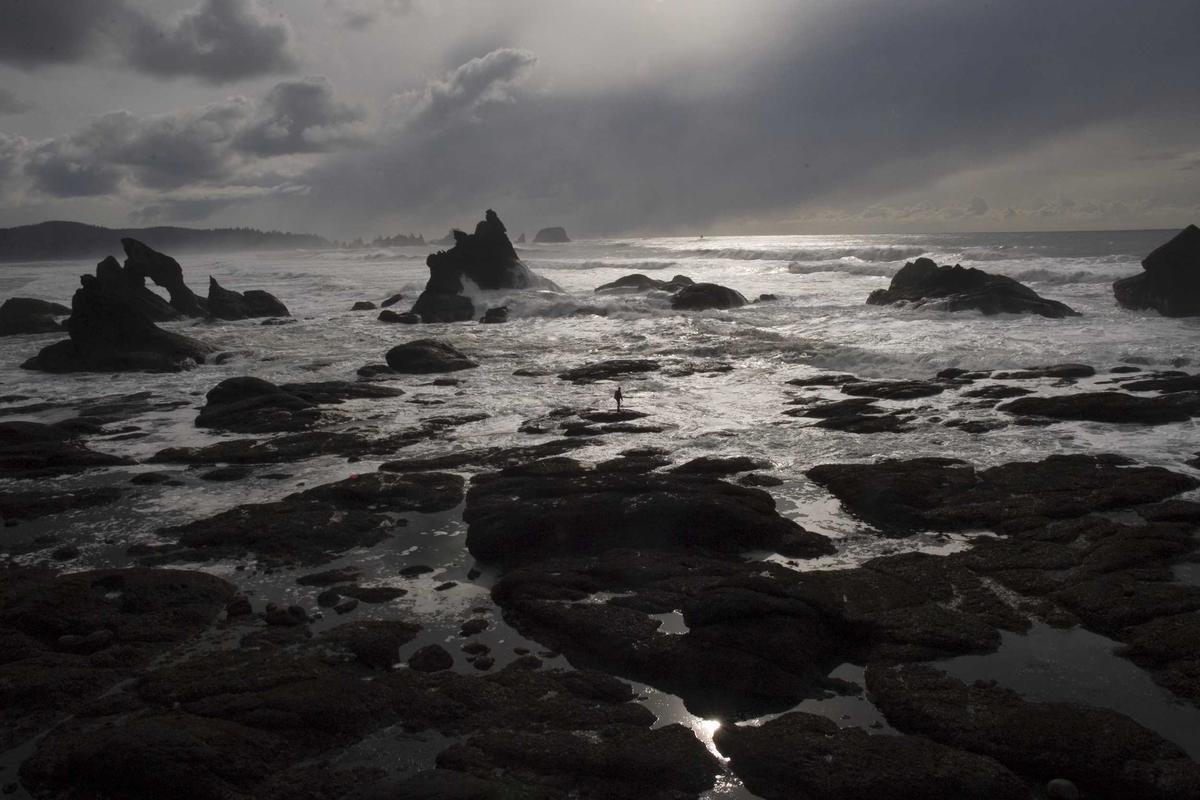
Ushuaia sits on the Tierra del Fuego archipelago, a gateway to Antarctica, a place of jagged peaks and penguin colonies. For years it has drawn adventurers seeking the sublime isolation of the end of the world. But now that isolation rings a different bell. The hantavirus, spread through rodent droppings, causes a swift and terrifying lung failure. It made global headlines in 1993 when it emerged in the Four Corners region of the United States, and later in 2018 when an outbreak at a Yosemite National Park lodge killed three people. In Ushuaia, the deaths have sent a tremor through the hostels and expedition ships.
Locals are quick to defend their town. “This is a smear campaign,” a hotel owner told me, her voice rising above the Patagonian wind. “We are safe. The virus is not here.” The authorities concur, pointing to negative tests and insisting the deaths were caused by a common pneumonia. But a stubborn local legend persists: that a few years back, a group of hikers camped in a remote valley and fell ill; that the government hushed it up. In the age of misinformation, such stories spread faster than any virus.
The real story, I suspect, lies in the human cost of tourism dependency. This town of 60,000 survives on seasonal travellers. A hantavirus scare could destroy livelihoods. It happened in 2020 when the pandemic locked down borders; many businesses still haven’t recovered. The denial, then, is not just about health: it is about survival. The workers in souvenir shops, the kayak guides, the women selling hand-knitted jumpers at the port: they cannot afford a panic.
Yet the tourists are watching. On Facebook groups and travel forums, the debate rages. Some cancel their bookings; others double down. “I’m still going,” wrote one woman from Melbourne. “You take risks every time you step on a plane. This is no different.” She is correct, of course, but that truth does little to soothe the anxiety of those who see a maskless cough on a long bus ride and wonder.
There is a cultural shift happening here. The pandemic taught us to fear the invisible. Now every sniffle is a suspect. In Ushuaia, the fear is amplified by geography: if you fall ill here, you are hours from a proper hospital. The ‘safety theatre’ of hand sanitizer stations and temperature checks is thin. The only real protection is trust, and that is in short supply.
Class dynamics also seep in. Wealthier tourists fly into Ushuaia on direct charters and stay in luxury lodges with their own chefs. Budget travellers bunk in hostels and share bathrooms. The virus, if it were present, would track along these lines of exposure. The rich might escape; the backpackers would not. That uncomfortable truth lingers beneath the official statements.
For now, the authorities insist it is safe. The flights still fly, the boats still sail. But the questions remain. Will the ‘end of the world’ become synonymous with danger? Or will this blow over, another false alarm in the long history of travel scares? I suspect the answer lies not in labs or courtrooms, but in the everyday decisions of holidaymakers. One cancelled booking at a time, the story will be written.