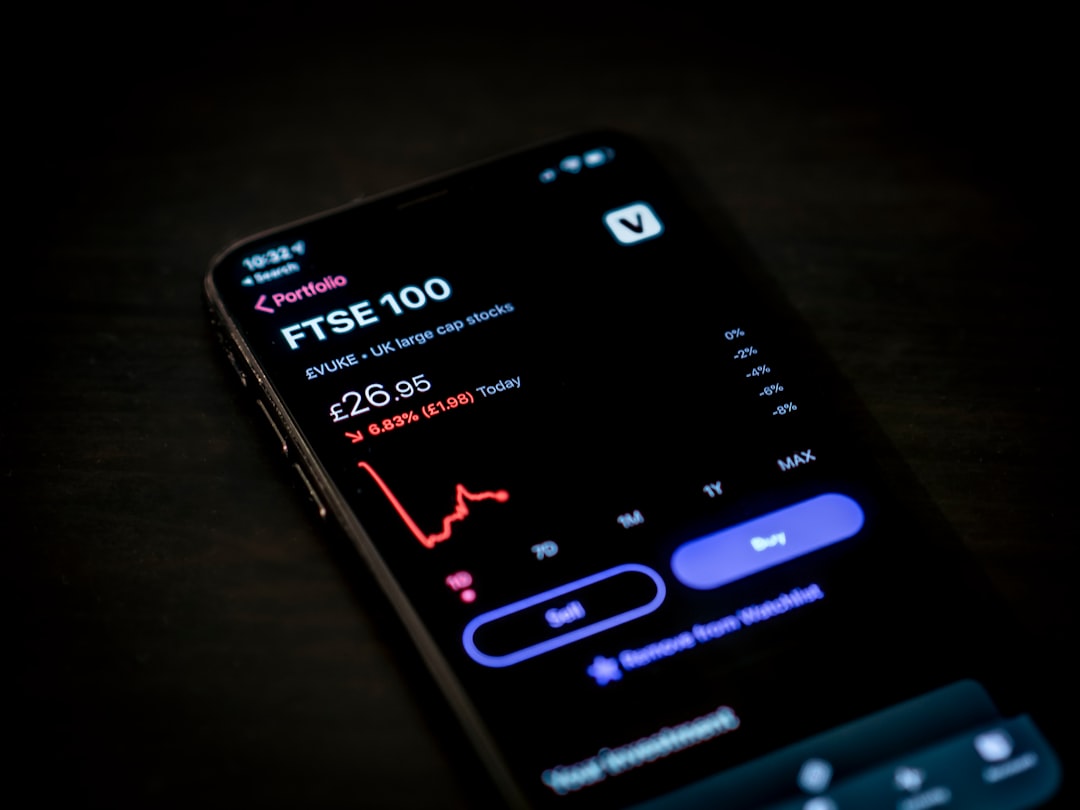
London’s FTSE 100 closed at an all-time high on Tuesday, driven by a surge in energy and mining stocks as commodity prices rallied. The benchmark index rose 1.2% to 8,024.68 points, surpassing its previous record set in February 2023. Investors piled into oil, gas, and mining companies amid rising crude prices and optimism about China’s economic recovery.
BP and Shell led the gains, each climbing over 3%. The oil majors benefited from a 2% jump in Brent crude, which topped $90 a barrel for the first time since October. Traders cited geopolitical tensions in the Middle East and production cuts by OPEC+ as factors tightening supply.
“The market is betting on higher oil prices for longer,” said Sarah Thompson, an energy analyst at RBC Capital Markets. “But there’s also a broader rotation into value stocks, with the FTSE 100 offering cheap valuations and strong dividends.”
Mining giants Glencore, Rio Tinto, and Anglo American also posted strong gains, rising between 2.5% and 4%. They were lifted by a rally in copper and iron ore prices, which hit multi-month highs. China’s pledge to boost infrastructure spending and support its property sector has reignited demand hopes for industrial metals.
“China is the key driver,” said James Harding, a commodities strategist at Investec. “If their stimulus measures gain traction, we could see further upside in mining stocks.”
The FTSE 100’s record close marks a stark contrast to the struggles of other major indices. The S&P 500 and Nasdaq have faced headwinds from sticky inflation and delayed rate cuts in the US. In contrast, the UK’s index is heavily weighted toward energy and mining, sectors that have thrived in the current environment.
Moreover, the pound’s recent weakness against the dollar has boosted the FTSE 100’s overseas earnings. “A weaker sterling is a tailwind for the multinationals that dominate the index,” noted Fiona Cincotta, a market analyst at City Index.
But some caution that the rally could be short-lived. “The FTSE 100 is still a value trap in many ways,” warned David Miller, a fund manager at Quilter Cheviot. “The record high is being driven by cyclical sectors that could reverse quickly if the global economy slows.”
The index’s gains were broad-based, with only a handful of stocks in negative territory. Defensive stocks like utilities and healthcare lagged as risk appetite returned. Consumer staples also slipped, with Unilever and Diageo losing ground.
Investors will now focus on the Bank of England’s next policy meeting in May. Markets expect rates to hold at 5.25%, but any hints of cuts could further lift equities. The FTSE 100’s dividend yield of around 3.8% remains attractive relative to bond yields.
For now, the rally in energy and mining shows no signs of abating. “The stars are aligned for the FTSE 100,” said Thompson. “But we’re watching oil and China closely. Any negative surprise could quickly erase today’s gains.”