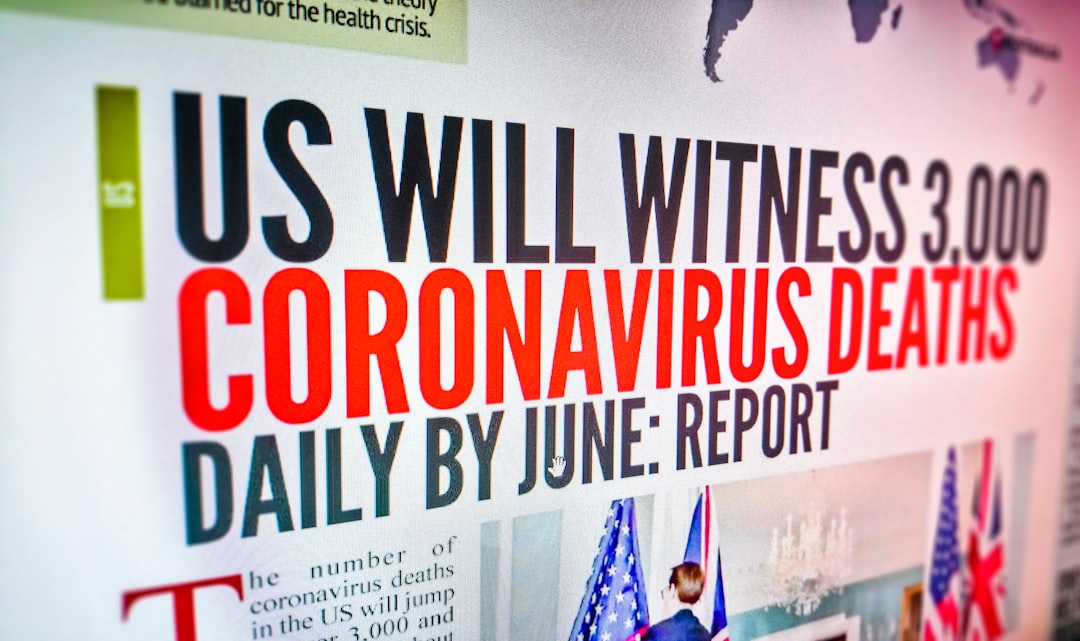
A suspected outbreak of hantavirus on a cruise ship in the Caribbean has triggered an urgent response from global public health authorities. The incident, which has left several passengers and crew members hospitalized with severe respiratory symptoms, marks the first known cluster of the rodent-borne disease in a maritime setting. As investigators scramble to contain the spread, questions are mounting over the adequacy of shipboard hygiene protocols and the broader implications for the cruise industry, which is still recovering from the COVID-19 pandemic.
Hantavirus, primarily transmitted through inhalation of aerosolized virus from rodent excreta, typically causes hantavirus pulmonary syndrome (HPS), with a mortality rate of up to 40%. The disease is endemic in the Americas, but outbreaks on ships are virtually unheard of. The U.S. Centers for Disease Control and Prevention (CDC) and the World Health Organization (WHO) have dispatched rapid response teams to the vessel, which is currently docked in a port in the Bahamas. Passengers have been quarantined, and the ship has been cordoned off for extensive environmental testing.
The economic repercussions are immediate. Cruise line stocks, including Carnival, Royal Caribbean, and Norwegian Cruise Line, have tumbled 3% to 5% in pre-market trading on fears of a new wave of travel cancellations. The industry, which lost $50 billion in 2020-2021 due to COVID-19, had only recently regained passenger confidence. Analysts at JP Morgan warn that a prolonged outbreak could trigger a 20% drop in bookings for the upcoming peak season, particularly in the Caribbean and Latin American itineraries where hantavirus is more prevalent.
Geopolitically, the outbreak places a spotlight on the regulatory vacuum governing infectious disease control on cruise ships. Cruise lines operate under a complex patchwork of flag state jurisdictions, with many registered in Panama, the Bahamas, or Liberia to bypass stricter labor and safety standards. The incident has reignited calls from the International Transport Workers’ Federation (ITF) for a binding international maritime health code. The WHO’s International Health Regulations (IHR) are broadly applicable, but enforcement on private vessels remains weak. The U.S. Congress is now considering legislation that would mandate real-time syndromic surveillance and rodent control audits for all ships calling at American ports.
The Caribbean, heavily dependent on cruise tourism, faces a double blow. The region is already grappling with a rise in leptospirosis and dengue, diseases exacerbated by poor sanitation. A hantavirus outbreak could devastate local economies that derive up to 50% of GDP from cruise arrivals. In response, the Caribbean Public Health Agency (CARPHA) has called for a region-wide rodent eradication program, though funding remains uncertain.
From a public health perspective, experts emphasize that person-to-person transmission of hantavirus is rare, but the confined environment of a cruise ship could facilitate spread if rodent reservoirs are present. The incubation period of 1-5 weeks means new cases may emerge even after passengers disembark. The CDC has issued a Level 2 travel health notice, urging higher-risk individuals (pregnant women, immune-compromised) to reconsider cruise travel.
The market implications extend beyond cruise lines. Hospitality stocks in port cities are feeling the pinch, with hotel REITs in Miami and Cancun down 2% on Monday. Conversely, shares of pest control companies such as Rollins and Terminix have rallied, as investors bet on increased demand for rodent mitigation services. The broader travel insurance sector is also recalibrating: policies that previously excluded hantavirus may now face litigation from affected passengers.
Looking ahead, the cruise industry must confront a trio of challenges: restoring passenger confidence, navigating regulatory crackdowns, and investing in robust health infrastructure. Royal Caribbean has already announced a $100 million upgrade to ventilation and sanitation systems, but this may only be a first step. The hantavirus scare serves as a stark reminder that in an era of globalized travel, no disease is truly remote. As one WHO official noted, “A virus on a ship is a virus at a port, and a virus at a port is a virus in the world.”
The coming weeks will be critical. If the cluster is contained without further fatalities, the industry may weather the storm. But if cases multiply, the call for a new regulatory regime will become irresistible. The hantavirus crisis is more than a public health scare; it is a stress test for the governance of global mobility in a post-pandemic world.