The price of crude oil has jumped by nearly 20% in the past fortnight, sending shockwaves through global markets. For British households, already squeezed by high inflation and stagnant wages, this is grim news. Petrol at the pump is climbing, heating bills are set to rise, and the cost of everyday goods could follow suit.
The crisis in the Middle East, specifically the escalating conflict between Israel and Hamas, has disrupted supply chains and stoked fears of a wider regional war. Brent crude, the international benchmark, briefly touched $96 a barrel this week, its highest level in over a year. Analysts warn that if the conflict spreads to involve Iran or disrupt shipping through the Strait of Hormuz, prices could soar past $100.
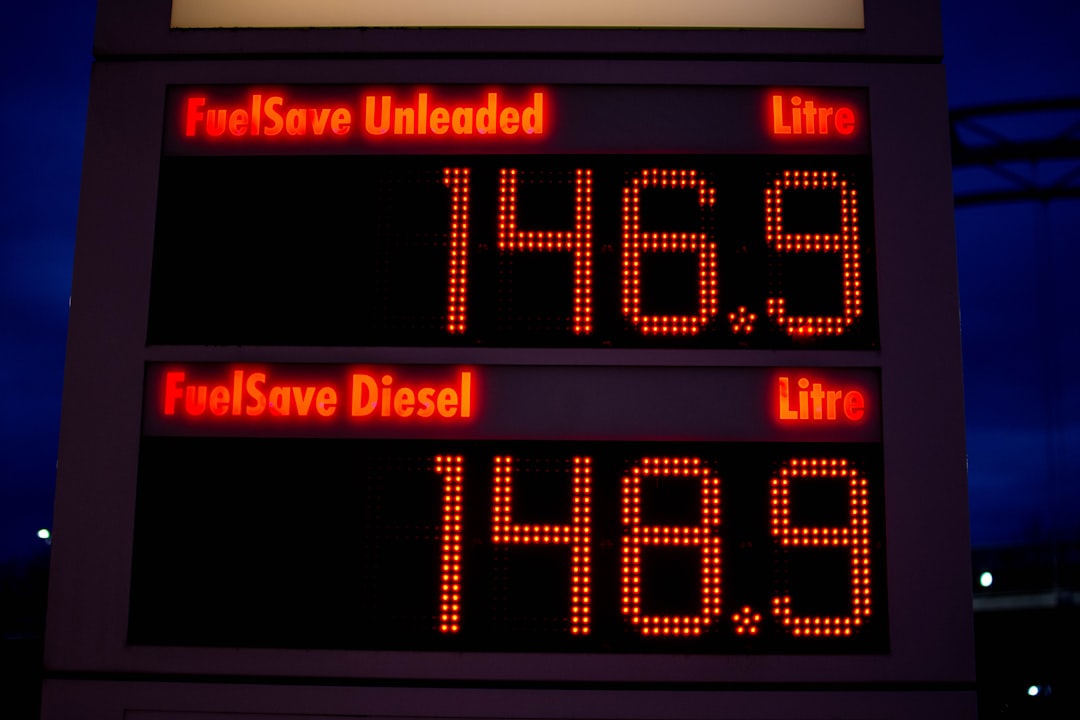
The impact on UK households is immediate. The average price of a litre of unleaded petrol has risen to 159.8p, up 6p from a month ago, according to the RAC. Diesel has climbed to 167.2p. For a typical family filling up a 55-litre car, that’s an extra £3.30 per tank. Hauliers and delivery firms are already passing on higher fuel costs, which will feed into the price of food and goods.
But the pain doesn’t stop at the pump. Many homes across Britain rely on heating oil, particularly in rural areas where gas mains don’t reach. The price of heating oil has surged by 15% in just two weeks. For a household using 2,000 litres a year, that could mean an extra £300 on winter bills. Pensioners and low-income families, already struggling with the cost of living crisis, face a bleak choice between heating and eating.
The government’s Energy Price Guarantee, which capped household energy bills, ended in July. The current price cap set by Ofgem will be updated in January, and experts predict a significant increase. Cornwall Insight, an energy consultancy, forecasts that the typical annual bill could rise to £1,996, up from the current £1,834. That would be a huge blow after a summer of falling energy prices.
Businesses are also feeling the strain. Small firms, from bakeries to taxi firms, are seeing their margins squeezed. The Federation of Small Businesses warns that many are now operating on knife-edge margins. Higher transport and energy costs mean either absorbing the hit or passing it on to customers. Either way, it dampens economic growth.
The Bank of England faces a dilemma. It has been raising interest rates to tame inflation, but higher oil prices are inflationary. They could fuel another spike in the cost of living, forcing the Bank to hold rates higher for longer. That would make mortgages and business loans more expensive, slowing the economy further.
There are no easy answers. The UK has limited domestic oil production, having phased out much of its North Sea capacity. Renewables are growing but cannot quickly replace fossil fuels. Chancellor Jeremy Hunt has ruled out a windfall tax on oil companies, arguing it would deter investment. But critics say the industry is profiting from the crisis.
For now, households can only brace for impact. The AA has urged drivers to shop around for the cheapest fuel. Charities recommend insulating homes and seeking help with bills. But with winter approaching and the Middle East crisis showing no sign of abating, the ripple effects will be felt from London to the remotest Scottish island.